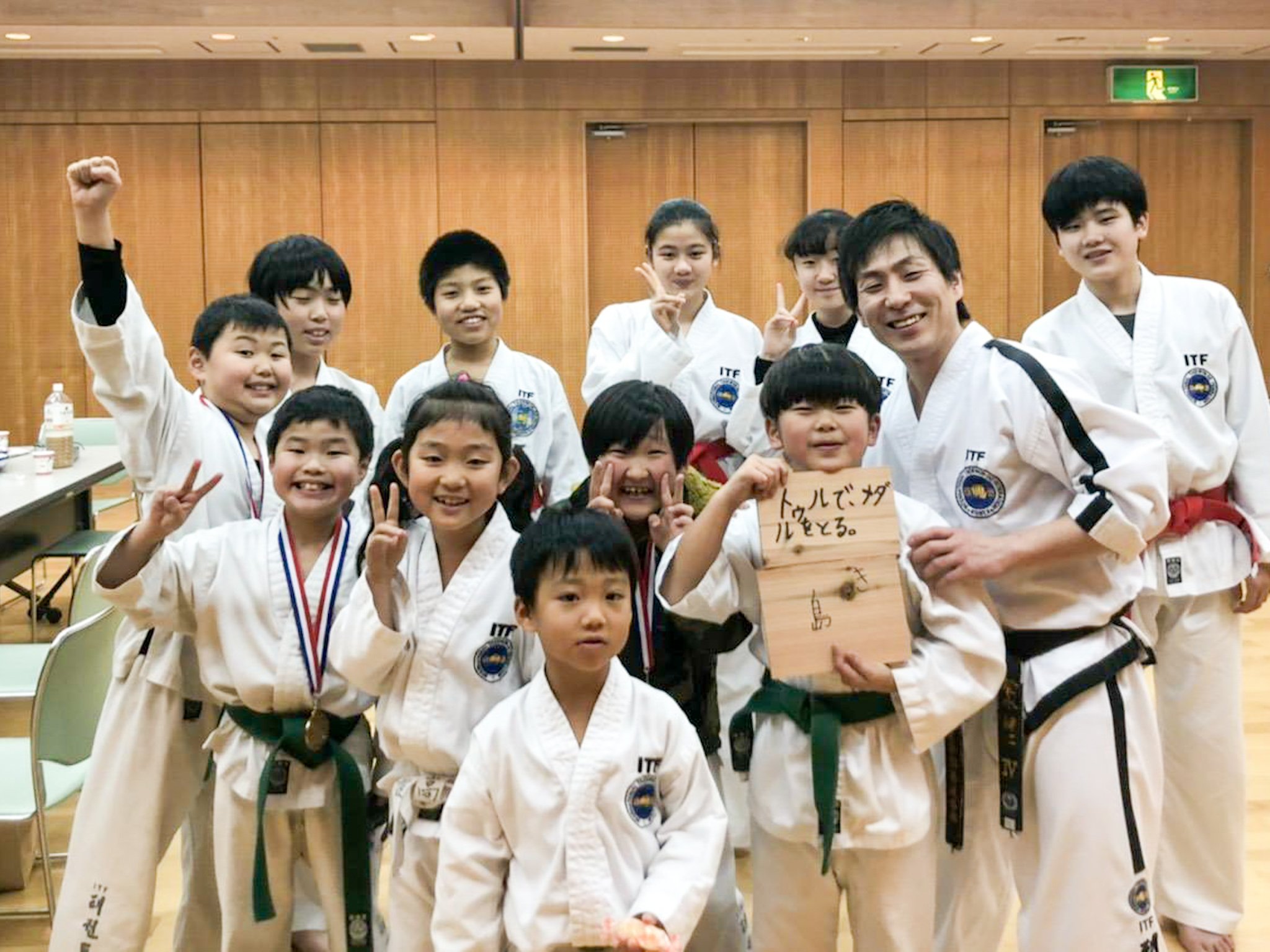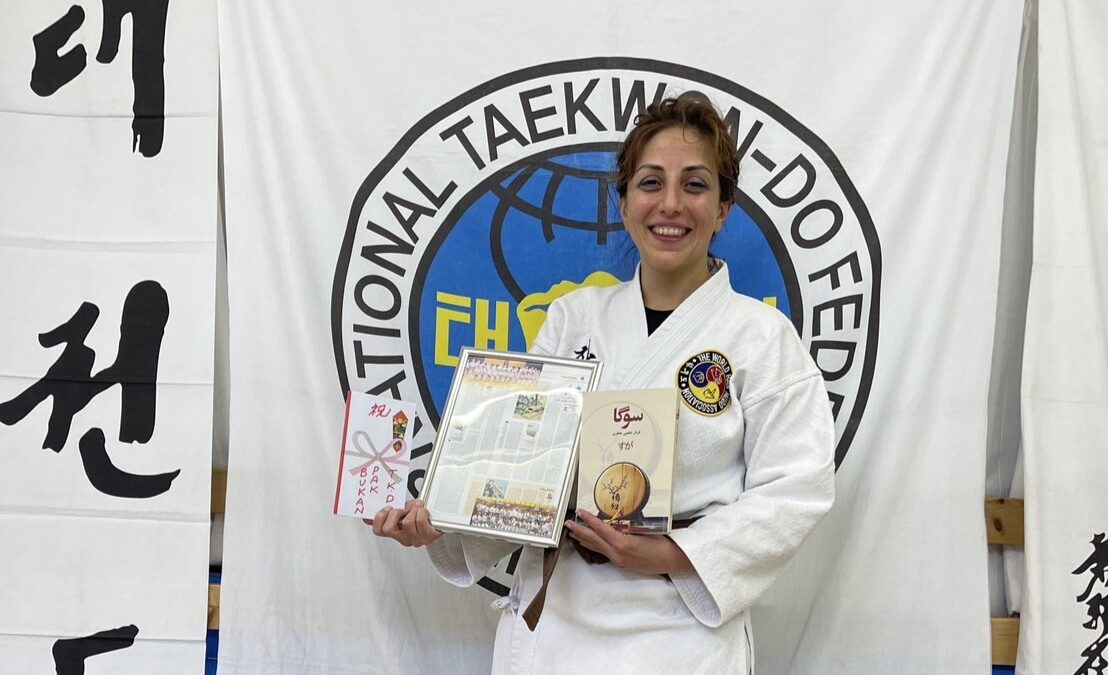
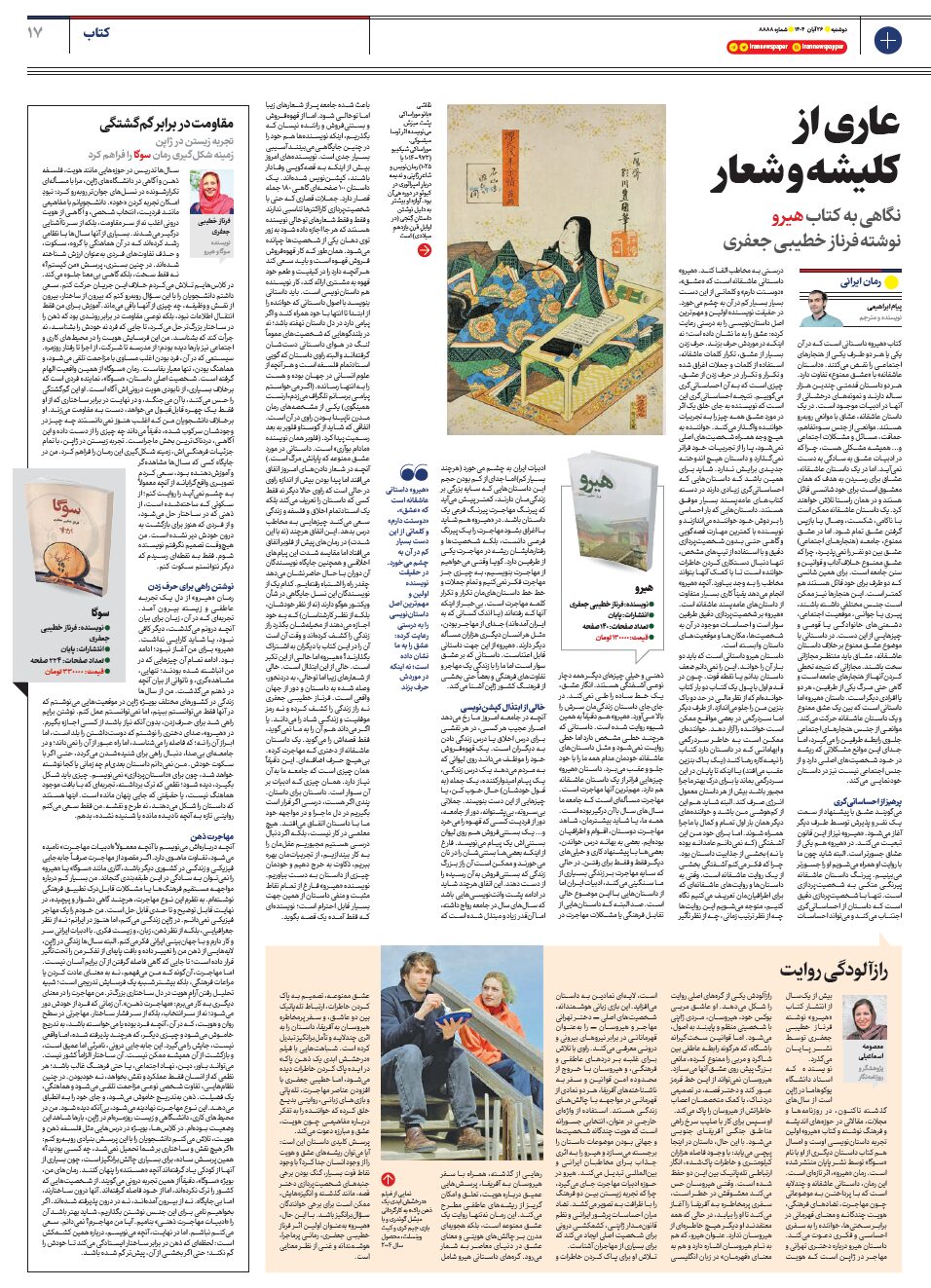
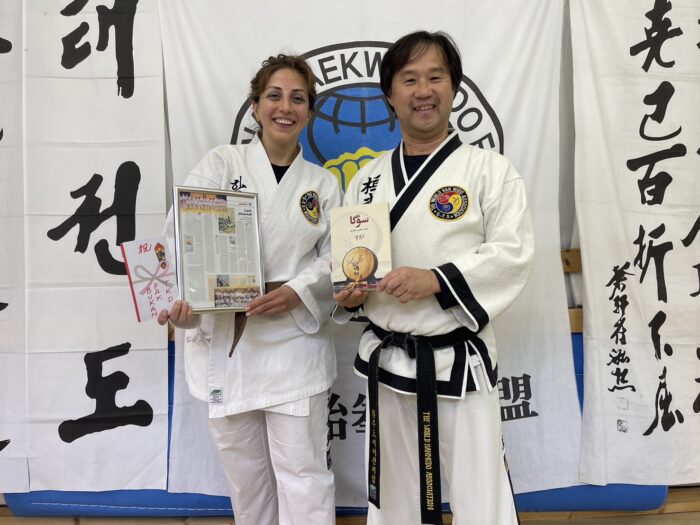
テコンドー・ファラン朴武館で修練するファルナズ1段の著作が母国イランの新聞で紹介されました。
国際赤十字や大学教授として国際的に活躍しながら、テコンドーを修練し黒帯を取得したファルナズ1段。
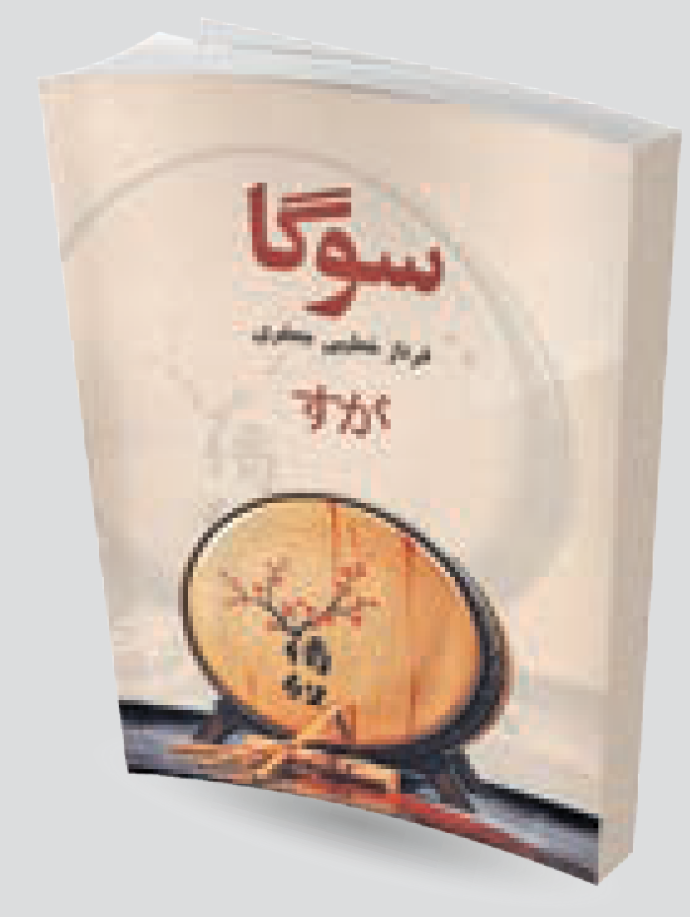
多文化の狭間で揺れる“アイデンティティ”をテーマにした小説『Suga』は、日本社会に生きる個人の葛藤を鋭く描き、母国でも大きな反響を呼びました。
本記事では、国際的な視点を持つ稽古生がどのように武道テコンドーと向き合い、生活にどのような変化を与えたかをご紹介します。
多様な学術バックグラウンドを持つファルナズ1段
初めに自己紹介とこれまでのご経歴・研究分野を教えてください。
Farnaz Khatibi Jafari と申します。
現在は、生物学を研究する博士課程に在籍しています。
学位としては、法医学人類学の修士号、美術・考古学の学士号、そして哲学の学士号を持っています。
研究分野は、人類解剖学や法医学的な埋葬骨の研究に加えて、
「心の哲学」領域における 自己意識・アイデンティティ・意識についても研究しています。
日本に来られた経緯と、現在の研究・文化活動について教えてください。
日本に関心を持った理由は、私が暮らしていたフランスやイランとは全く異なる文化で、その違いを深く知りたいと思ったからです。
現在は、大学での教育活動に加えて、テコンドーの稽古、盆栽や着物、日本文化の探究、そして和太鼓の学習など、日本文化を多角的に学んでいます。
小説『Suga』に込められた“自己喪失”というテーマ
イランの新聞で紹介された小説『Suga』は、どのようなテーマを描いた作品ですか?
『Suga』は、福岡の和太鼓奏者を主人公にした作品で、
「外から見える自分」と「内なる本当の自分」が一致しない苦しみを描いています。
日本ではしばしば“統一された調和したアイデンティティ”が求められ、
個人が本来の自分を出せないまま生きてしまうことがあります。
その結果、長期的には精神的・身体的な疲弊につながることもあります。
和太鼓という表現を選んだ理由は、「多くの身体が一つの呼吸で動く」という極端な調和の裏側で、演者自身の個性や内面が消えてしまう現象を象徴していると感じたからです。
一言でいえば、『Suga』は “自己喪失(lost selfhood)” をテーマにした物語です。
『Suga』を執筆した背景や、創作上もっとも強く意識したテーマは何でしたか?
私は大学で「自己意識とアイデンティティ」を教えています。
8年間教えてきて感じたのは、日本の学生の多くが、“社会の枠に沿わない自分”について考えることに強い抵抗を持っているということです。
「優等生」「日本人らしさ」などの“表面的なアイデンティティ”を重視するあまり、本来の自分がわからなくなってしまう――
これは大学だけでなく、社会のさまざまな場面で起きています。
和太鼓の世界でも、個性より「同じであること」が重視され、
そこに強い違和感と興味を覚えました。
これらの経験から、“個人が社会の調和のために自分を犠牲にしていく現象”を物語のかたちで描きたいと思い、『Suga』を書きました。
文化の狭間で揺れるアイデンティティと日本での気づき
日本での文化的違いや、自身のアイデンティティが揺らいだ経験は、作品に影響していますか?
はい、日本での経験は私を作家へと導いたと言っても過言ではありません。
イランやフランスにいた頃は、“自分らしくあること”が当たり前でした。
しかし日本では、
・自分の考えを語らない
・反対意見を避ける
・先輩後輩の上下関係
・同質性が強く求められる文化
に強い衝撃を受けました。
私は日本社会を理解し尊重していますが、“皆と同じであること”を求められる環境の中で、自分のアイデンティティを保つことは簡単ではありません。
大学に残っている理由の一つは、
学生たちが自由に議論し、自分を表現できる場であるからです。
こうした日本での経験は、個人が社会の構造の中で自分を見失う過程を深く考えるきっかけとなり、『Suga』や前作『Hero』に強く反映されています。
テコンドーとの出会いがもたらした変化
テコンドーを始めた理由、そして続けている理由を教えてください。
20代の頃、イランでWTテコンドーをしていましたが、
怪我や留学・移住で離れてしまいました。
コロナ禍で時間ができたとき、テコンドーを再開したくなり検索したところ、最寄りの道場が戸田道場でした。
初めて来たとき、朴師賢や師範方、道場の皆さんの温かさ、日本で感じたことのない“自然な受け入れ”に驚きました。
ここは、日本で初めて 「ありのままの私を受け入れてくれた場所」 だと感じています。
技術的な向上だけでなく、精神的な支えとして続けています。
稽古を通して、身体的・精神的にどのような変化がありましたか?
身体面では、体重が減り、筋力がつき、
同年代と比べて“若く健康”だと感じるほど改善しました。
精神面では、
・自己肯定感の向上
・喜びや自信が増えた
・心と身体を整える習慣が身についた
など、大きな変化を実感しています。
また、道場での仲間とのつながりは大きな精神的支えとなりました。
テコンドーと師範方の教えが、私の人生と性格に大きな影響を与えています。
道場の仲間がつくる温かいコミュニティ
道場の雰囲気や仲間との関係について教えてください。
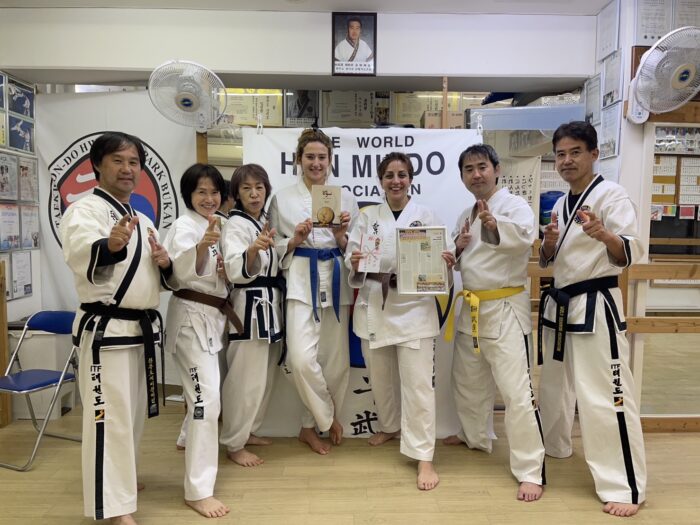
非常にフレンドリーで、支え合い、温かく迎えてくれる雰囲気です。
指導は技術面だけでなく、精神面でも深い学びがあり、師範方は情熱を持ってテコンドーを教えてくださいます。
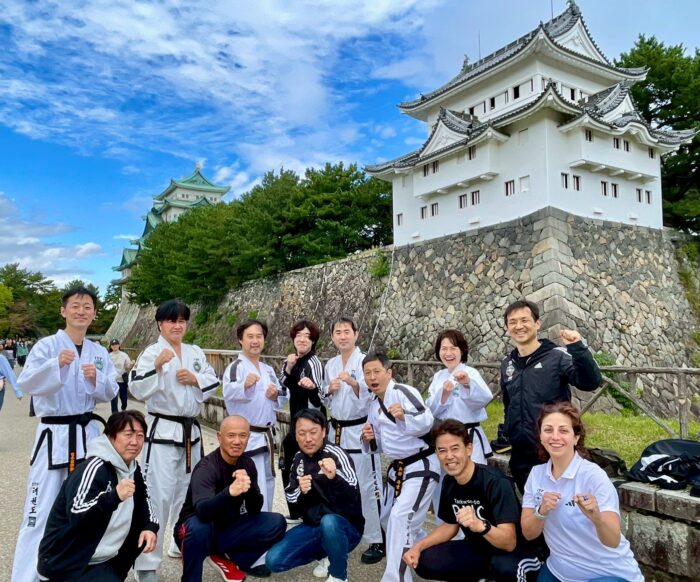
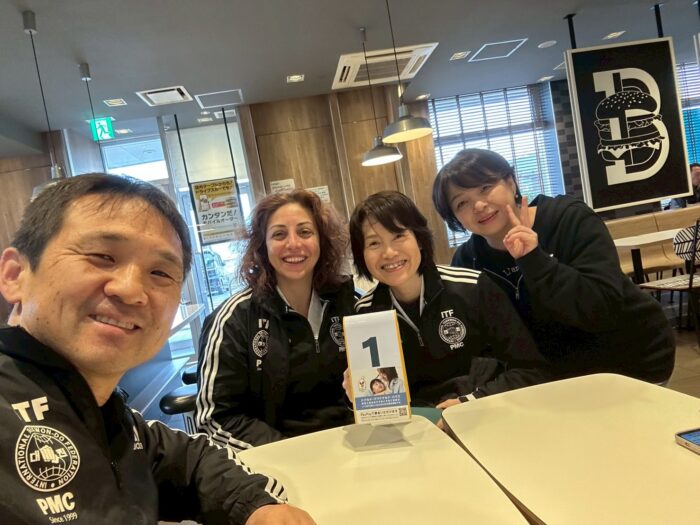
練習を通じて多くの友人ができ、皆さんは第二の家族のような存在です。
異文化の中で武道を学ぶということ
最後に、異文化の背景を持つ方へ、武道を始める魅力についてメッセージをお願いします。
武道は、心と身体の調和を追求するものです。
日本で武道を学ぶことは、道場の中だけでなく日常生活の中でも、“自分と社会の調和”を学ぶことにつながります。
西洋では武道は「格闘スポーツ」と捉えられがちですが、日本では “生き方そのもの” として存在しています。
日本で武道を学ぶ経験は、特別でかけがえのないものになると思います。
朴禎賢師賢コメント
おめでとう!ファルナズさん!
イランでいちばん有名な「イラン新聞」の文化欄一面にファルナズさんの著書「小説SUGA」の紹介があったと云う嬉しい知らせを頂きました!
素晴らしい❗️
心からおめでとうございます‼️
我が朴武館では韓国、中国、モンゴル、ネパール、タイ、ブラジル、セネガルなど、約二十数カ国より海外稽古生が親しく跆拳道を学んでいます。
中でも、若く美しく聡明なファルナズさんは特に皆が尊敬する存在です。
イラン出身のファルナズさんは十数年前に赤十字の仕事の関係で来日し、現在は横浜国際大学など教える博士教授です。
色彩兼備のファルナズさんは、2021年コロナ禍が脅威を奮う最中、テコンドー朴武館 戸田道場に入門しました。入会当初より熱心に跆拳道を学び、戸田、上尾道場など週に3〜4回の稽古を積み重ね、短期間で1段に昇段し、正統跆拳道の有段者となりました。
その後、2023年カザフスタンで開催された世界選手権大会では、日本サポーターとして参加、堪能な英語力で日本チームを影で支えてくれました。
今では、朴武館ファミリーのなくてはならない貴重な存在です。
イランの首都テヘランで生まれ育ち、ご両親の薦めで広く学問を学び、世界へ目を向けて活動し、赤十字活動を積極的に行いました。
ドイツ、フランス、イタリアなど8カ国で医療に関わる学問を修め、赤十字活動にの奉仕をされました。
赤十字に携わる事になったのは、幼い頃、母国イランが隣国イラクとの激しい戦争で首都テヘランに連日爆弾が投下され、地下壕へ避難する悲惨な経験、人の尊い命を守る大切さを実感した事が、赤十字と医療の道へ進むキッカケなのだと話してくれた事が思い出されます。
これからも、朴武館ファミリーの一員として、道場の仲間たちと共に正統跆拳道で心身を鍛えて参りましょう❗️
跆拳❗️
TAEKWON❗️
朴禎賢
English text
1. To begin, could you introduce yourself and share your academic background and research fields?
Answer:
Farnaz Khatibi Jafari.
PhD student in interdisciplinary biological studies.
Master of forensic anthropology, bachelor of art and archaeology, and bachelor of philosophy.
My research fields are human anatomy and forensic burial skeleton studies, and separately the philosophy of mind—identity and consciousness.
2. What brought you to Japan, and what kind of research or cultural activities are you currently engaged in here?
Answer:
Studying and curiosity about Japanese culture—as it was very different or opposite to Western or Middle Eastern cultures where I was living (France and Iran).
I wanted to experience the East and learn it.
I’m teaching, practicing Taekwondo, and learning more about deep Japanese culture such as bonsai and kimono. I’m also learning taiko drumming.
3. Your novel “Suga” was recently featured in an Iranian newspaper. What central themes does this work explore?
Answer:
It is a world of a taiko drummer from Fukuoka whose feelings about himself don’t match the identity he performs as a member of a taiko group.
His inner self and his showman identity do not match.
Suga is based on real people who suffer from the force of a unified, harmonized identity that exists in Japan—one that pushes people not to be themselves.
A lack of individuality and selfhood can cause mental and physical breakdown in the long run.
Suga and other characters are trapped between what society wants from them versus what they truly want to be.
I chose taiko because of the extreme physical strength and unity they show to the world, without giving any space for performers to be themselves.
Taiko needs harmony—as they say, “many bodies, one breath”—which makes it beautiful. But behind the scenes, what is the real price performers must pay to achieve that godlike perfection?
In one word, Suga is about lost selfhood.
4. What motivated you to write “Suga”, and what themes or ideas were most important to you during the writing process?
Answer:
At YNU, I teach self-consciousness and identity as part of philosophy of mind lessons.
Many times in the last 8 years, I noticed how much my students initially resist talking or even thinking about themselves—who they truly are without the mask they wear since childhood.
Everything they are is what society wants from them, and rarely do they think beyond that surface identity.
Every semester, it takes months to help them break that mask and search for their inner self.
I’ve also seen this phenomenon in many working-class people: sacrificing individuality for the sake of a harmonized society.
Even myself—I’ve noticed that at times I sacrifice my true self to “fit in.”
Eight years ago, I saw an amazing taiko performance. At first, it was mesmerizing. Over time, when I followed them, I noticed none of the performers had individuality beyond what the group required.
Performing arts should be about creativity and expression, yet there was no selfhood. It was shocking.
This experience, combined with my years of teaching, inspired me to address this issue through a story. That story became Suga.
5. Have the cultural differences you’ve experienced in Japan—or moments when your own sense of identity felt challenged— influenced your writing? If so, how?
Answer:
I am in debt to Japan for becoming the writer I am and for engaging deeply with identity and the philosophy of mind.
In Iran or France, being yourself—not society’s ideal—mattered.
My first shock in Japan was seeing how people don’t talk about themselves, even in stories or memories.
They often agree with things against their own opinion and don’t dare to disagree.
The senpai–kohai system was difficult for me.
Believing that a senior is always correct, and having to follow them, was out of character.
Trying to be the same—not only in appearance but in manners, thinking, and behavior—was impossible for me.
Even when I tried to behave Japanese, because of my face, body, and manner, I was never fully accepted as a harmonious member of society. A foreigner always remains a foreigner.
These pressures helped me think deeply and eventually express these experiences in my novels Suga and Hero.
6. What led you to begin practicing Taekwondo, and what keeps you motivated to continue training?
Answer:
I used to practice WT Taekwondo in Iran in my early 20s, but after a knee injury and moving abroad I stopped.
During COVID, I had more free time and searched for Taekwondo. Google suggested the nearest—Toda Dojo.
When I came, the simplicity and kindness of Pak Sahyon, the shihans, and all the members surprised me.
I had never seen such easy-going, welcoming people in Japan.
It motivated me mentally even more than physically.
It was the first time in Japan I felt accepted as myself—a foreigner, different, but still “one of us.”
I feel I am part of the Taekwon-Do society, and they are my tribe.
7. Through your practice, what personal changes—physically or mentally—have you noticed?
Answer:
Physically, I became healthier—losing weight, building muscle, and becoming stronger.
Compared to others my age, I feel much younger.
Mentally, Taekwondo gives me joy.
I am happier and have more self-esteem.
Balancing mind and body requires mindfulness, patience, and practice—it changed my lifestyle.
The friendships and community are also a huge mental support.
My life and character have been deeply affected by Taekwon-Do and my instructors’ teachings.
8. How would you describe the atmosphere of our dojo, the instruction you receive, and the relationships you’ve built with fellow members?
Answer:
Friendly, supportive, easy-going, and welcoming.
The instructors teach not only physically but mentally, sharing both skill and passion.
Most of my friendships and communication now come from the dojo.
They are like my second family.
9. Finally, what would you like to share with people from diverse cultural backgrounds who may be considering starting martial arts in Japan?
Answer:
Martial arts require inner and outer harmony—synchronizing mind and body.
Learning such a discipline in Japan, where people strive daily to balance themselves with society, brings this philosophy into everyday life.
In the West, martial arts are often seen as violent sports.
In Japan, they are a complete way of life.
Experiencing martial arts in Japan is truly unique.